
Story features

Oscar winners, closely read

Film Storyboard reads the Academy Award-winning films of the twenty-first century through plot structure, character motivation, scene construction and production context. These features distinguish editorial interpretation from confirmed information, while plot material is clearly labelled before it moves into spoilers.

Follow a single scene, a performance or a recurring idea across films, then use the accompanying themes, genres, decades and reading times to continue through the archive.

A film storyboard, annotated script and pencil arranged on a dark editorial desk
Editorial image: the working materials of a scene, arranged for close reading rather than spectacle.

Editorial view

The scene that wins the room

In Oppenheimer, the Trinity test is not simply a set piece. It is a lesson in withheld release: the film makes an audience wait, then asks what that waiting has cost. Awards-season cinema often rewards a scene that can be described in a sentence, but the best of them resist the summary.

A scene earns its place through arrangement: a face, a sound, a cut, a silence. This editorial view follows how Christopher Nolan turns a scientific event into a moral one, and why the sequence’s force comes from what the film refuses to show too quickly. Rather than ranking films, the full feature compares construction and asks how suspense is built when the outcome is already part of public history.

Type: Editorial ViewThemes: craft, memoryGenre: historical dramaDecade: 2020s8 min read

Read the editorial view

Feature index

Browse the feature desk

Browse criticism that follows a scene, a narrative device or a performance rather than only a title. Use themes, genre and decade to find a route through the archive, then select a feature for the full analysis and its related reading.

Editorial view

The trial of memory

12 Years a Slave makes duration itself a moral argument. This feature reads the film’s attention to landscape, labour and the body, asking how a historical narrative can resist becoming a monument while still honouring what it records.

Memory · Historical drama · 8 min read

Read feature

Editorial view

Class as architecture

Parasite turns stairs, windows and basements into a social diagram. This reading considers how production design and blocking make hierarchy visible before a character explains it, and why the film’s comedy sharpens rather than softens its unease.

Power · Thriller · 7 min read

Read feature

Editorial view

The multiverse as a family portrait

Everything Everywhere All at Once uses maximalist invention to ask a small question: what does a person owe the life they did not choose? This feature follows performance, editing and genre-switching as emotional argument rather than mere display.

Identity · Comedy-drama · 7 min read

Read feature

Editorial view

The silence before the verdict

Spotlight builds tension from procedure: a phone call, a notebook, a shared look across a newsroom. This feature considers how restraint and ensemble acting turn investigative work into a story about institutional failure.

Justice · Drama · 6 min read

Read feature

Editorial view

Adaptation and the Academy

Adapted screenplays often carry a special prestige, but adaptation is also a process of subtraction. This feature compares how awarded films turn novels and memoirs into cinematic structure, and what gets lost when a book becomes a campaign narrative.

Memory · Thriller · 9 min read

Read feature

Find a story by lens

Refine Story Features by storytelling theme, genre and decade. These controls affect feature results only; reading times remain visible in every matching preview.

6 features shown

Plot desk

Spoilers in context

Plot summaries help clarify structure, turning points and consequences; they are not plot recitations for their own sake. Each full article identifies its spoiler level, so readers can decide how much narrative detail they want before entering a closer analysis.

Spoiler notice

Detailed plot material stays closed by default

Short, non-revealing summaries remain visible on this desk. When an article needs to discuss developments in detail, choose “Reveal plot details”; concealed copy is kept out of the accessibility tree until that deliberate choice is made.

Plot summary · spoilers

The turn in the basement

Parasite changes register when a hidden space becomes part of the story’s architecture. This spoiler-controlled feature follows escalation as a structural pattern, using a public synopsis that stays clear of decisive outcomes and a full reading for those ready for detail.

Power · Thriller · 7 min read

Read with spoilers

Plot summary · spoilers

A life before the verdict

12 Years a Slave asks a viewer to hold a life in view without turning suffering into spectacle. This feature separates plot description from critical interpretation, preserving its public excerpt while linking readers who opt in to related character files and memory-focused analysis.

Memory · Historical drama · 6 min read

Read with spoilers

Character files

People under observation

Character files are close readings of motivation, status, performance and changing alliances rather than fan-profile summaries. Where an arc requires plot detail, the feature says so first; factual cast and credit information remains distinct from the editorial interpretation.

Fact file

What the record can confirm

A film record can confirm credits, release year, runtime, country, genre and documented production context when that information is available. For awarded films, it can also record the categories recognised by the Academy. Film Storyboard keeps those metadata fields separate from criticism: an interpretation of tone, performance or suspense belongs to the editorial voice, not to the objective record.

Credits
Director and other confirmed production credits.
Release context
Release year and country where verified.
Award record
Academy Award categories and ceremony year where verified.
Film profile
Runtime, genre and thematic tags for discovery.
Statuette
The Academy Award of Merit stands 13.5 inches tall and weighs 8.5 pounds, with a 24-karat gold-plated finish.
First ceremony
The first Academy Awards were presented in 1929, honouring films released in 1927 and 1928.

Production notes

Scene craft and the record

Production notes collect documented context around direction, design, sound, editing and performance, then separate that record from a critic’s reading of the finished scene. Unsupported anecdotes are excluded; the aim is accessible context for the craft behind an awarded film.

Fact file

Direction and blocking

Verified production details can illuminate how a pressure-filled scene is staged when they are attached to an available film record. The feature keeps credits and documented context scannable, then leaves the reader room to consider the finished arrangement.

Editorial View Blocking can make a choice visible before dialogue confirms it.

Director · release year · runtime · 6 min read

Read production notes

Fact file

Image, costume and status

Visual production elements can communicate hierarchy, period and public identity. This route identifies verified information only where it exists, while treating the reading of costume, design and status as criticism open to comparison.

Historical drama · 2010s · 6 min read

Read production notes
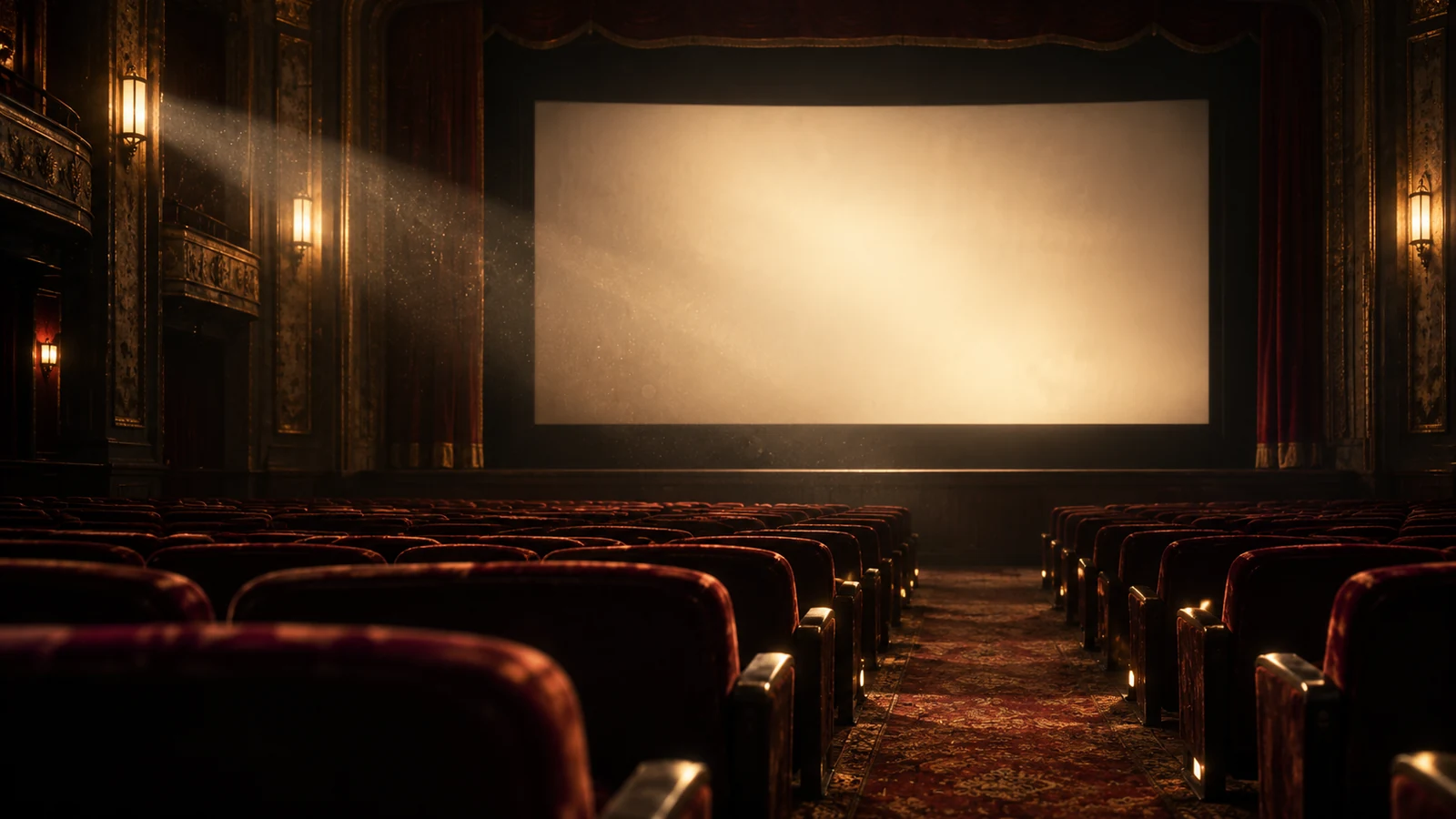
An empty cinema auditorium with a single screen glowing before the seats

Editorial view

“An award can make a film visible. A scene is what makes it stay visible.”

Awarded cinema draws power from the tension between public recognition and private attention: a ceremony gathers a profession while the camera remains close to a single difficult choice. That friction is where scene analysis begins.

Film Storyboard editorial
Browse craft, memory and visual storytelling

Continue reading

Follow the thread that holds

Continue with the film, theme or storytelling question that interests you most. Film Storyboard’s metadata helps compare titles and contexts, while each route keeps criticism, plot guidance, character analysis and production information in view.