Home edition

Film Storyboard

NEW ZEALAND · OSCAR CINEMA · STORIES BEHIND THE SCREEN.

A considered film journal for New Zealand readers following the Oscar-winning cinema of the twenty-first century.

The opening reel

Great Films. Golden Statues. Unforgettable Stories.

An Academy Award statuette lit from the side against a dark archive backdrop
An Academy Award statuette under archive lighting: the symbol at the centre of this journal's century-long story.

Film Storyboard examines the films honoured at the Academy Awards since 2001 through reviews, plot summaries, character profiles, production facts and thematic criticism. We follow the craft behind a winning performance, the structure of a Best Picture campaign and the ideas that keep an awarded film in circulation long after the ceremony.

This edition begins with the 73rd Academy Awards in 2001 and follows the winners forward. Our focus is cinema, not prediction or awards lobbying. Clearly labelled editorial views sit beside useful film information, so readers can separate interpretation from record while finding their next memorable watch.

A printed Academy Awards programme and sealed envelope resting on an editorial desk
ARCHIVE NOTE — A statuette, a sealed envelope and a filmed acceptance speech: the visual grammar of awards season turns a ceremony into a story about craft, memory and public recognition.

The editorial desk

A clear way through the awards archive

Editorial view

Criticism with a clear point of view

Our reviews are editorial assessments of performance, direction, writing, editing and storytelling. The EDITORIAL VIEW label marks critical interpretation plainly, giving readers a useful starting point for their own viewing choices rather than a claim to universal agreement.

Fact file

Facts worth keeping close

Film pages gather practical context: release year, director, runtime, country, genre and Academy Award categories won where available. A FACT FILE keeps production and awards information close at hand, not as trivia, but as a way to make discovery more informed.

Sample fields Year · Director · Runtime · Country · Awards

Spoiler notice

Spoilers handled in plain sight

Plot summaries and analysis carry clear spoiler labels. Where a scene or ending needs separate discussion, it is visibly set apart so readers can choose when to reveal key story information. Reader choice comes before the tease.

Review desk

Start with the films

At the review desk, Oscar-winning films are read for the decisions that carried them through awards season: performance, direction, editing, sound and the shape of a story that holds a room. Each entry pairs a critical angle with key metadata and a concise reading time.

Browse all Film Reviews

Review

Oppenheimer

Christopher Nolan’s Best Picture winner turns a life of physics into a study of pressure. This editorial preview follows how committee rooms, lecture halls and a desert test site become stages for a mind that can imagine consequences but cannot fully own them.

8 min read

Review

Parasite

Parasite treats the household as a social diagram. Our review route considers how comedy, architecture and escalating unease carry a story about class from observation into consequence, without reducing the film to a single message.

7 min read

Review

The Lord of the Rings: The Return of the King

Peter Jackson’s conclusion to the trilogy won eleven Academy Awards, including Best Picture and Best Director. The review asks how scale, patience and emotional payoff make an ending feel earned rather than simply large.

7 min read

A guarded performer in profile, framed by stage light and shadow
Character study begins with posture, gaze and the pressure of a public room watching back.

Editorial view

Faces in the awards frame

Character profiles look past awards rhetoric to performance choices: restraint, transformation, status, vulnerability and the small decisions that make a role legible. They connect a performance to its narrative function, asking how a person reads a room, performs confidence or discovers that control has limits.

These are interpretive features: close, spoiler-aware studies of the people who carry awarded films forward.

Explore all Story Features

Scene analysis

Scenes that won the room

Scene analysis pays attention to editing, framing, sound, pauses and the shifting power between characters. An awards-winning film is rarely carried by a single moment, but a single moment often shows how its craft fits together.

Read scene-led Story Features
01

Editorial view

The Trinity test: silence before the flash

In Oppenheimer, waiting becomes the scene’s real subject. This close reading follows how sound, faces and elapsed time turn a scientific event into a moral one.

5 min read

02

Editorial view

The staircase as a class system

Parasite makes vertical space carry social meaning. We look at production design and blocking: who descends, who is admitted and who can never quite arrive.

6 min read

03

Editorial view

The newsroom call that changes everything

Spotlight builds tension from procedure rather than spectacle. The subject is storytelling craft: how a phone call, a pause and a shared look make institutional pressure visible.

5 min read

04

Editorial view

The final image that refuses comfort

A closing shot can re-frame an entire film. This spoiler-conscious feature considers how Moonlight turns restraint into emotional evidence.

4 min read

Fact file

The record behind the award

Production notes collect useful context around direction, adaptation, location, design and the practical choices that support a film’s impact. Verified information is kept distinct from criticism, giving readers a useful reference point before they follow an argument.

For broader metadata and guided browsing, visit the Film Guide.

Film
Oppenheimer
Released
2023
Director
Christopher Nolan
Runtime
180 minutes
Country
United States and United Kingdom
Academy Awards
Seven, including Best Picture

Discovery desk

Find a film by the award it won

Search by title, person or keyword, then narrow the index by award, genre and decade. These filters help locate reviews, story features and Film Guide entries without turning a good browse into a guessing game.

Browse the full Film Guide

Review · 8 min read

Oppenheimer

A critical route into ambition, responsibility and the performance of containment.

Review · 7 min read

Parasite

A spoiler-aware reading of class, architecture and escalating unease.

Oscar film themes

From red carpet to recurring idea

The Academy Awards create a public record, but the films themselves keep changing as readers return to them. Across genres and decades, Film Storyboard follows the ideas that awarded cinema makes visible — criticism of film language, never awards prediction.

Explore Oscar Film Themes
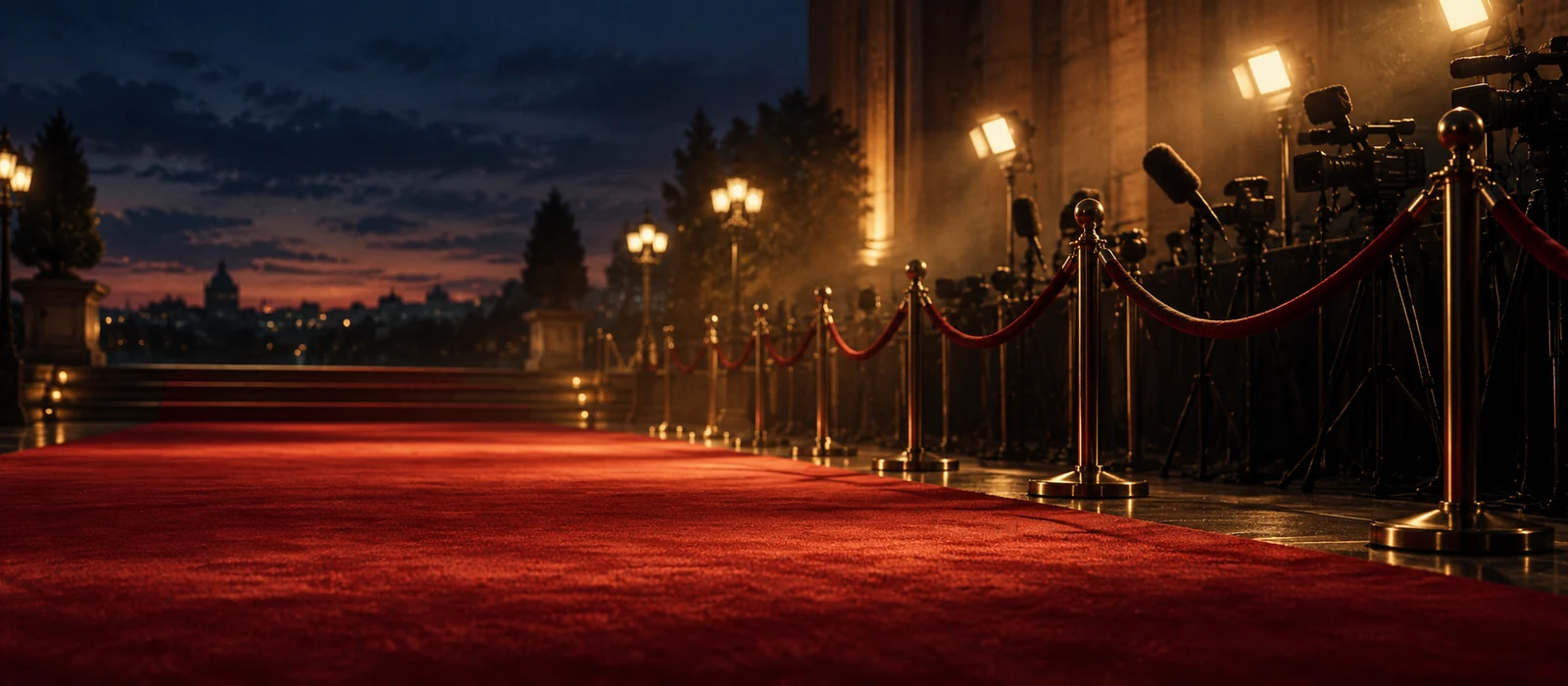
An empty red carpet and press line at dusk, waiting for an awards ceremony
An awards ceremony is a public ritual; the films that survive it are made of quieter decisions.

Theme

The historical epic and the Academy

Large historical productions have long been associated with the awards conversation. This route considers why scale, period detail and moral seriousness keep returning to the Best Picture race.

6 min read

Theme

Performance as transformation

Costume, voice, posture and restraint all do narrative work. Follow the performances that turn a familiar face into a character the film cannot do without.

5 min read

Theme

Craft categories, lasting memory

Editing, sound, cinematography and score shape what an audience remembers. A route into the below-the-line work that gives an awarded film its texture.

7 min read

Choose your next reel

Follow the story that interests you

Begin with a review, follow a story feature, browse a Film Guide entry or trace a recurring Oscar-film theme. Each route is built for considered reading, with useful metadata, reading times and related paths where relevant.